Online casino technology is more than a game displayed in a browser. Behind every spin, card decision, and settlement is a chain of services that must agree on identity, session state, game outcome, and money movement. The difficult engineering work happens at the boundaries: between a game client and a remote game server, between a provider and an operator wallet, and between an event stream and the financial record that must remain correct even after failures.
iGaming Technology is an engineering-first library about those boundaries. We explain how casino systems are designed, integrated, tested, secured, and observed. Instead of treating a gaming platform as one black box, we examine its component responsibilities, data flows, failure modes, and verification methods.
The intended reader is a backend engineer, systems architect, integration developer, platform SRE, technical QA specialist, or technically minded researcher. Our articles distinguish a common architecture pattern from a mandatory design, and an illustrative implementation from a certified production system.
What this engineering library covers
A casino game begins with a player-facing interface, but the interface is not the system of record for balances or outcomes. The backend may need to authenticate the player, validate an authorized session, route to an approved game configuration, and settle transactions with an external provider. A reliable implementation also needs a strategy for duplicate messages, timeouts, delayed callbacks, disaster recovery, and audit evidence.
We organize the library around questions that teams actually face. Who owns round state? What makes a wallet transaction irreversible? Which component can safely retry a request? How can a QA team prove that a repeated callback does not debit a player twice? How should a new game version be activated without changing the rules of a round already in progress?
These questions cannot be answered by choosing a programming language alone. They require service boundaries, explicit invariants, testable contracts, and operational practices that remain valid when a network connection fails halfway through a transaction.
Explore four areas: architecture, game systems, research and AI
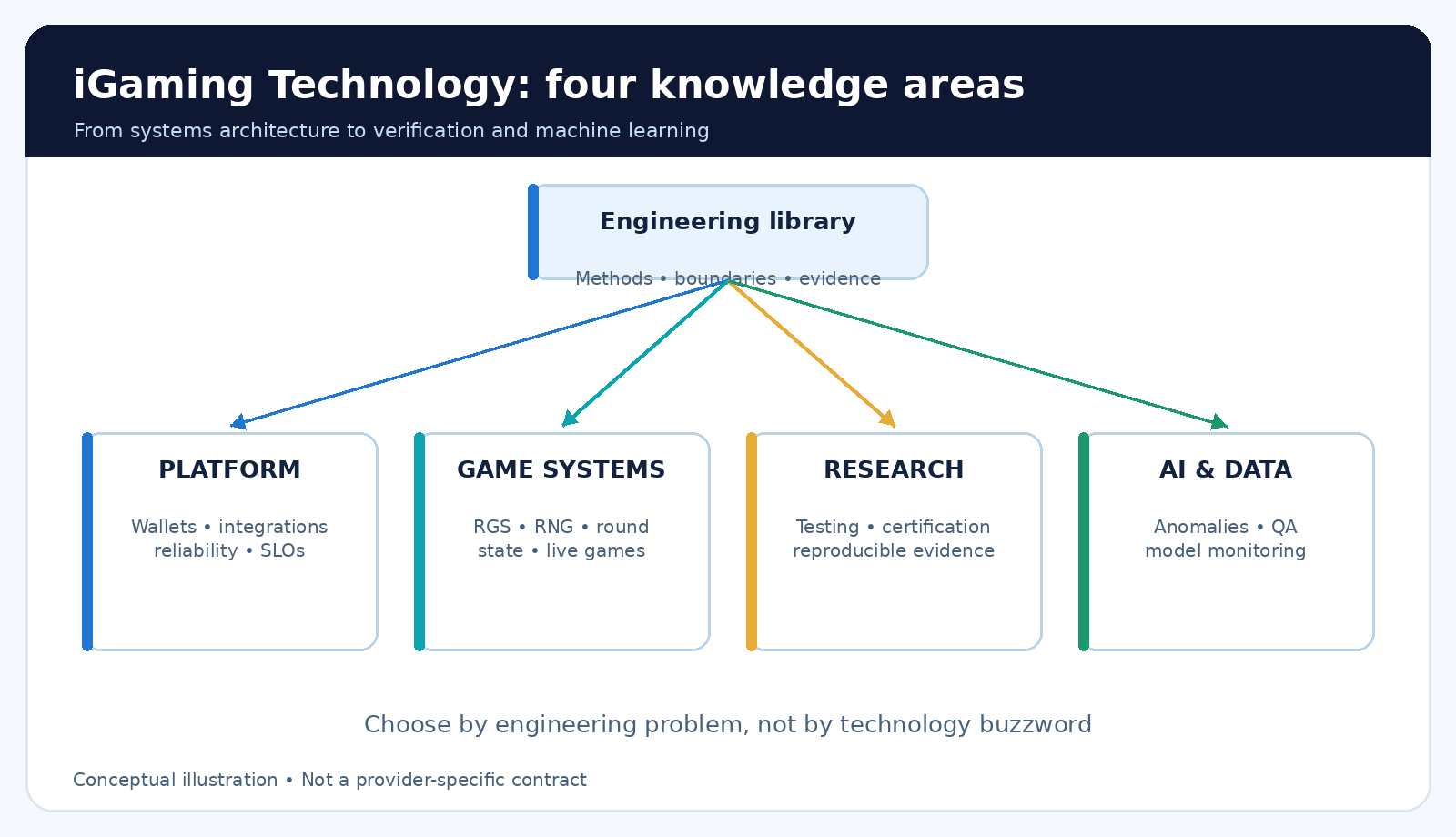
Figure 1. Four reading areas and the engineering questions they address.
Platform architecture covers wallet ledgers, API integrations, service boundaries, transaction idempotency, reconciliation, observability, deployment, and resilience. Start here when the problem involves several services that need to agree on data or money.
Behind the technology focuses on how games work internally: round state machines, game engines, remote game servers (RGS), random number generation (RNG), return to player (RTP), outcome mapping, live casino streaming, and jackpot services. It separates game mathematics from operational delivery.
Technical research investigates verification methods: API contract testing, certification evidence, RNG statistical testing, security reviews, release traceability, latency benchmarks, and controlled load testing. These materials are written to help readers evaluate claims rather than merely repeat them.
AI innovation examines machine learning applications such as transaction anomaly detection, API abuse signals, model monitoring, and AI-assisted QA. The focus is on data quality, evaluation, drift, human oversight, and the risks of false positives—not on presenting automation as a substitute for engineering judgment.
Each section contains articles with a narrower job to do. A guide to platform architecture maps actors and data flows; a wallet architecture article defines ledger guarantees; a reconciliation article explains how to compare provider records with the operator’s own accounting. That division helps prevent a single article from becoming a vague overview of everything.
How a casino game moves through the technology stack (overview)
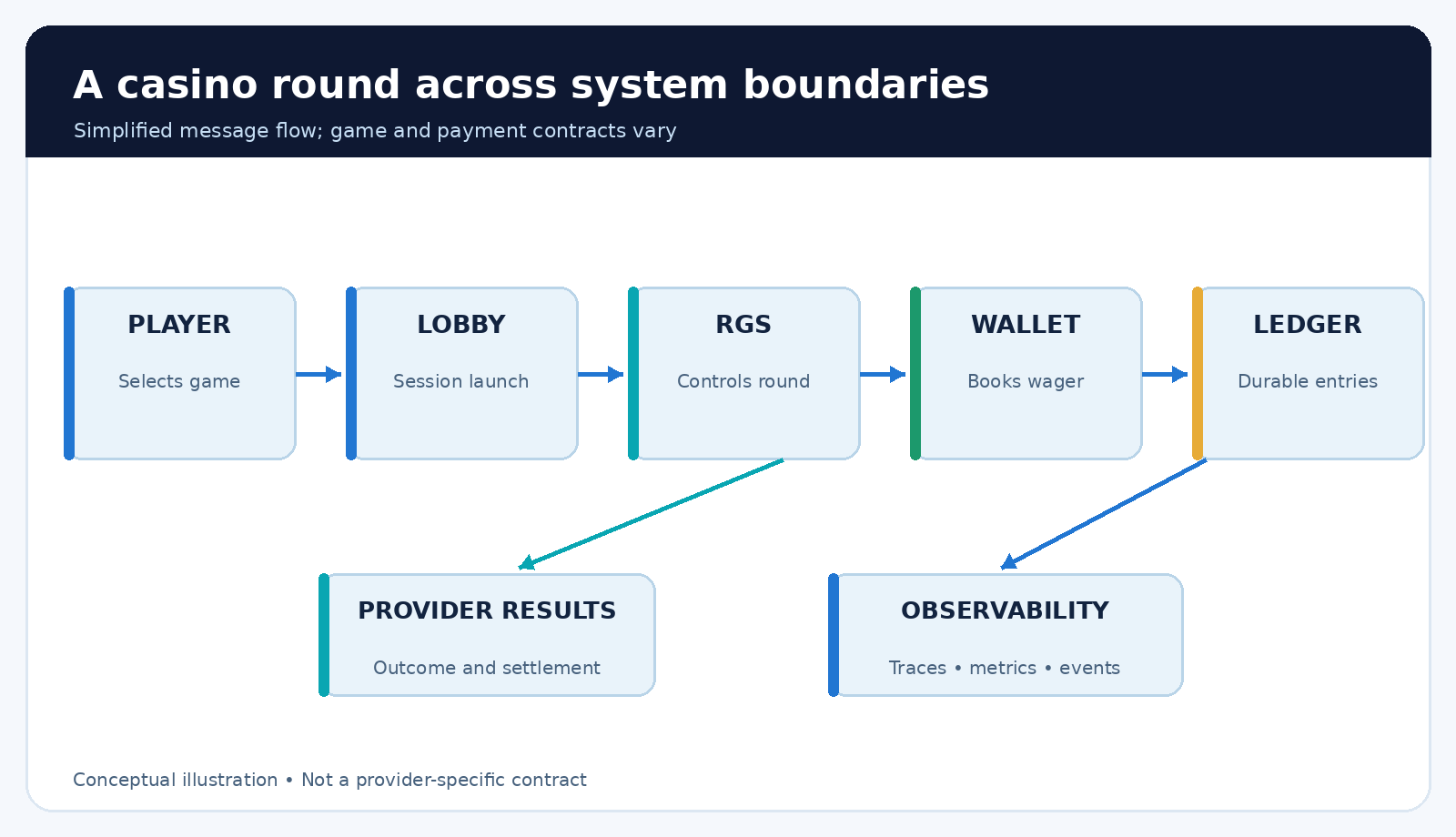
Figure 2. Simplified transaction path; ownership and direction vary by integration model.
Consider a typical remote-game session. A player selects a title in the lobby. The operator verifies that the player is allowed to play and issues or obtains a session handoff. The browser loads the game client, which communicates with the game provider or remote game server. When a wager is accepted, the game-side system and the operator wallet exchange a transaction message under an agreed contract.
The wallet decides whether funds are available and records the financial effect. The game service determines or retrieves the outcome under the configured game logic, then sends any applicable win or settlement. An event pipeline may publish observations to monitoring and analytics systems, but those downstream events should not independently create new financial transactions.
This sequence sounds linear. Real networks are not. A wallet callback can succeed while its HTTP response is lost. A provider may retry. A game round may be waiting for a final outcome while a front end disconnects. The platform must know which operations can be repeated, which require reconciliation, and which states are terminal.
A central design principle is to separate player experience, game state, and financial truth. The interface can be reconstructed after refresh. The game state must be recoverable. The financial ledger needs durable, auditable entries with consistent identifiers. The recovery strategy should never depend on a user keeping a browser tab open.
Featured technical guides and research
For a system-level picture, begin with iGaming Platform Architecture: Core Services and Data Flows. It maps front ends, orchestration, RGS components, wallet and identity touchpoints, telemetry, and persistence. Then read iGaming Wallet Architecture: Double-Entry Ledgers and Balance Management to understand the difference between balances, accounting entries, holds, and optional event sourcing.
If your team owns provider connectivity, Casino Game Provider API Integration: Session Launch and Wallet Callbacks explains the launch and callback model, while Idempotency in Bet and Win APIs addresses repeated financial requests. The related articles on timeouts, webhooks, signing, and reconciliation examine separate reliability concerns that are often mistakenly grouped into a single “API integration” task.
For game-focused readers, Online Casino Game Round Lifecycle: Bet to Settlement establishes the vocabulary needed to analyze state machines. Follow it with How RNG Works in iGaming, RTP vs Volatility vs RNG, and RNG Outcome Mapping. These cover different concepts: producing random values, using them without distribution bias, and understanding game payout properties.
For verification, Contract Testing for Casino Provider APIs and iGaming Software Certification: Process and Evidence help connect implementation claims with test evidence. Certification and jurisdiction-specific requirements must always be checked against the current governing standards and the actual scope of the product under review.
Reading paths for engineers, architects and QA teams
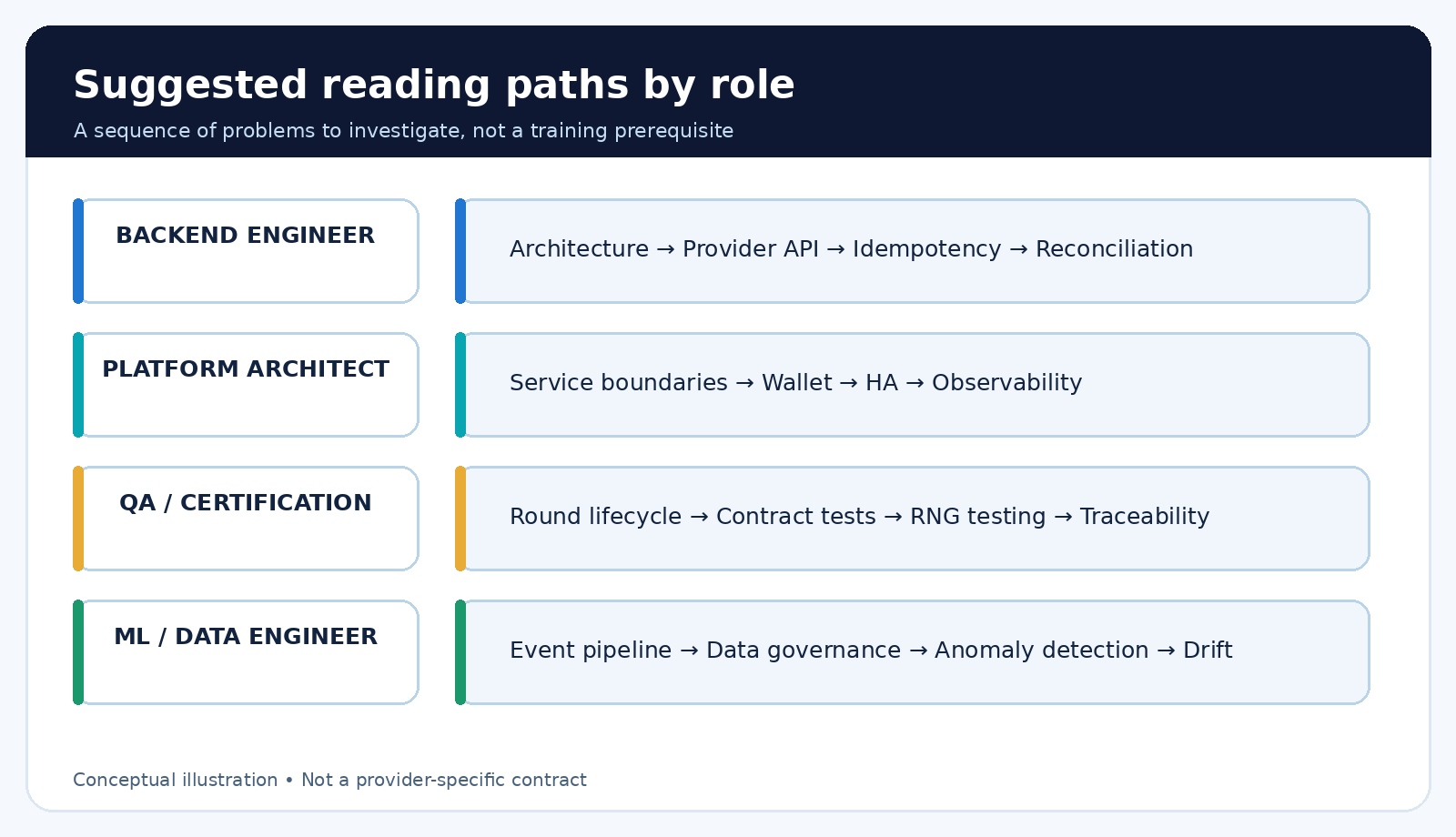
Figure 3. Suggested sequences; individual teams may enter at a different stage.
Backend and integration engineers can follow this path: platform architecture → provider launch and wallet callbacks → idempotency → retries and timeouts → reconciliation. This order builds from responsibilities to message contracts, then to failure recovery and financial verification.
Architects and technical leads can read platform architecture → monolith versus microservices → wallet architecture → high availability → observability. The objective is to make trade-offs explicit: stronger separation often creates more network boundaries, and higher availability can introduce consistency costs that must be considered before deployment.
QA and certification teams can follow game round lifecycle → provider contract testing → RNG testing → change retesting → release traceability. This path connects expected behavior, evidence collection, and the controls necessary to identify the exact build and configuration that was evaluated.
Data and ML engineers may begin with real-time analytics pipelines → telemetry governance → transaction anomaly detection → model monitoring. A low-latency model cannot compensate for an event schema that silently changes or for missing reconciliation data.
Editorial methods, source checks and expert review
Our editorial approach separates five kinds of material: architecture explanations, illustrative examples, implementation checklists, empirical methods, and standards-related discussion. When an article shows a sample event contract or diagram, it is an example, not a universal provider schema. When an article discusses testing, it should identify assumptions, metrics, and limits. When requirements are jurisdiction-specific, the primary source and effective version matter.
We prefer precise definitions over unexplained jargon. A retry is not the same as a replay. An event is not automatically a ledger entry. A statistical test result is not proof of security. A trace identifier is not a transaction identifier. A successful game demo is not equivalent to a production-safe, auditable integration.
Technical content should be reviewed when APIs, standards, or operating practices materially change. Editorial review can improve accuracy and clarity, but it does not replace independent certification, security assessment, legal advice, or controlled testing in the environment where software will actually run.
Find definitions, contact the team and browse all guides
The iGaming Technical Glossary defines recurring terms including RGS, ledger, idempotency, RNG, RTP, reconciliation, SLO, and audit trail. Use the Contact page to suggest a correction, request clarification, or propose a technical topic. The About page explains editorial scope and how contributors and sources should be disclosed.
You can browse from the four subject-area indexes or follow links between related articles. The best starting point is not necessarily the broadest one: if your immediate problem is a duplicated wager after a timeout, begin with idempotency and reconciliation; if the question is where responsibility sits across an operator, aggregator, and game provider, begin with the platform architecture guide.
The goal of this library is simple: make gaming technology understandable enough to design carefully, test systematically, operate safely, and question confidently.